Searching for a monastery for Buddhist monks usually means one of a few things: you’re a practitioner looking for a place to ordain or deepen your practice, a traveler hoping to visit or stay as a guest, or simply someone curious about what monastic life actually looks like. This guide covers the basics — what a Buddhist monastery is, how monks live within one, the different traditions you’ll find across the U.S., and how to find a monastery near you.
What Is a Buddhist Monastery?
A Buddhist monastery is a dedicated residential community where monks (and in many traditions, nuns) live together under a shared set of monastic precepts, devoting their lives to study, meditation, and practice. Unlike a temple, which may primarily serve a local lay community for worship and events, a monastery is built around the daily rhythms of monastic life itself — communal meals, scheduled meditation sessions, chanting, teaching, and work practice.
That said, in the U.S. many Buddhist monasteries also welcome the public. It’s common for a monastery to host:
-
Public meditation sessions or retreats
-
Dharma talks open to visitors
-
Short-term stays for those interested in monastic life
-
Volunteer or “guest practitioner” programs
So while the term “monastery” implies a residence for ordained monks, most American monasteries function as both a monastic training ground and a resource for the wider community.
How Monks Live in a Monastery
Daily life inside a Buddhist monastery is structured around discipline, simplicity, and routine. While the specifics vary by tradition, most monasteries share a similar rhythm:
-
Early rising — often before dawn, for the first meditation session of the day
-
Group meditation and chanting — practiced multiple times daily
-
A single main meal, taken before noon in many Theravada monasteries, following the traditional monastic precept against eating after midday
-
Work practice — cooking, cleaning, maintaining monastery grounds, and other communal tasks, sometimes called “mindful work”
-
Study and teaching — scripture study, dharma talks, and mentorship from senior monastics
-
Periods of silence, particularly during retreats or specific practice periods
Monks typically follow a code of monastic discipline — the Vinaya in Theravada Buddhism, or comparable precepts in Mahayana and Vajrayana lineages — that governs everything from diet to possessions to interpersonal conduct. Ordination itself is a formal process, often requiring a sponsoring teacher and a period of preparation before someone can be recognized as a monk within a given lineage.
Types of Buddhist Monasteries You'll Find in the U.S.
Buddhism isn’t a single tradition, and neither are its monasteries. When you’re searching for a monastery, it helps to know roughly which lineage you’re looking for:
Theravada monasteries tend to follow practices closest to early Buddhist tradition, with monks holding to the Vinaya code, alms rounds, and a strong emphasis on insight (vipassana) meditation. Many Thai, Burmese, and Sri Lankan-founded monasteries in the U.S. fall into this category.
Mahayana monasteries encompass a broad range of traditions, including Zen (Japanese and Korean lineages), Pure Land, and Chinese Chan monasteries. These often place emphasis on compassion practice, sutra study, and — in Zen traditions specifically — structured sitting meditation (zazen) and koan practice.
Vajrayana (Tibetan Buddhist) monasteries typically follow Tibetan lineages and often include ritual practice, visualization, and study of tantric texts alongside meditation. Many were established in the U.S. by teachers who left Tibet, and some now train Western practitioners toward full ordination.
Each tradition has its own architecture, schedule, and approach to practice — so if you have a specific lineage in mind, it’s worth confirming before you visit or apply to stay.
Visiting or Staying at a Monastery
If you’re new to this, a short visit is usually the best starting point before considering anything longer-term. Many monasteries offer:
-
Day visits — open to the public, sometimes requiring advance notice
-
Weekend or week-long retreats — structured programs, often with a suggested donation rather than a fixed fee
-
Extended stays — for those seriously considering monastic life, sometimes called “postulancy” or a trial period before ordination
Etiquette matters at a monastery more than at a typical temple visit. It’s worth researching a specific monastery’s guidelines beforehand — dress code, mealtime customs, and expectations around silence can vary significantly by tradition.
Find a Monastery for Buddhist Monks Near You
Whether you’re looking for a Theravada forest monastery, a Zen training center, or a Tibetan Buddhist monastery, our directory makes it easy to search by location and tradition. We list monasteries and temples across the United States, complete with details on lineage, visiting policies, and contact information — so you can find the right community without digging through scattered websites.
Search our Directory Now to find a Buddhist monastery near you, browse by tradition, or explore listings state by state.
Your Guide to Buddhist Monasteries
Searching for a monastery can mean different things: deepening your practice, visiting as a guest, or exploring monastic life out of curiosity. This guide shares what a Buddhist monastery is, the daily life of monks, traditions found in the U.S., and how to find a monastery near you.
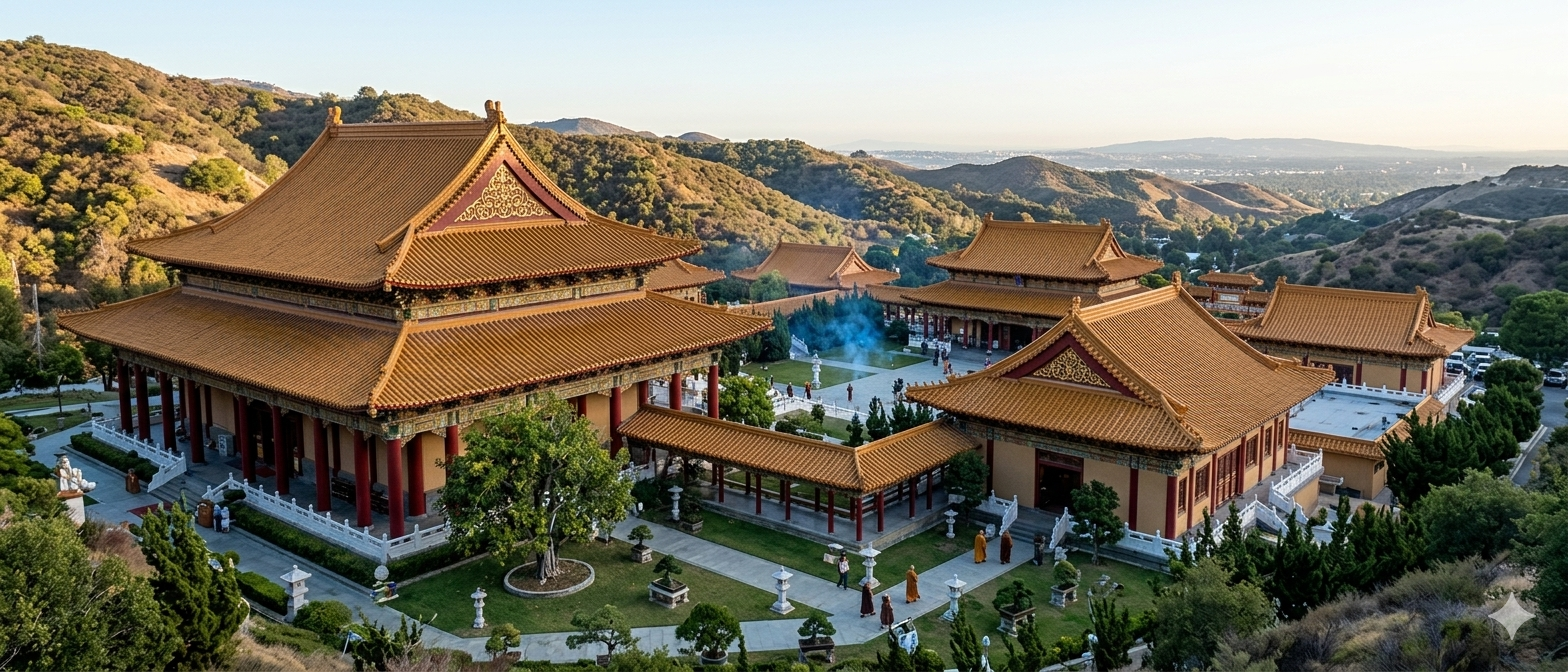
Understanding Monastic Life
Buddhist monasteries are residential communities where monks (and often nuns) live by shared precepts. These spaces emphasize study, meditation, community work, and daily rituals. Many U.S. monasteries open their doors to the public, offering meditation sessions, dharma talks, and volunteer opportunities. Although they serve as residences for monks, these monasteries also support wider community engagement.